The FMCG landscape is undergoing one of its most significant shifts in decades.
From rapidly evolving consumer preferences to increasing channel complexity and the rise of new-age competitors, the traditional playbook for growth is being challenged at every level.
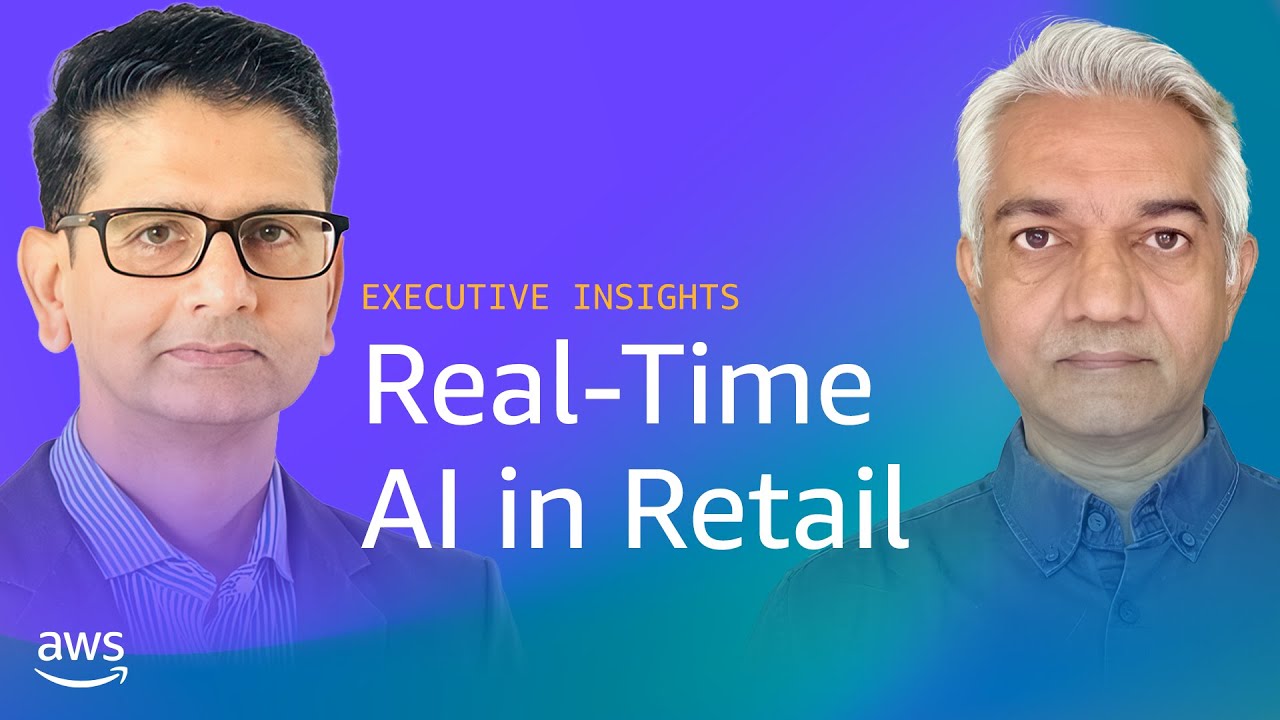
In this episode of AWS Executive Insights, Anupam Sinha, CEO of Vxceed, shares a grounded, execution-first perspective on how CPG companies can navigate this transformation, and why the answer lies not just in strategy, but in real-time execution intelligence.
Watch the full conversation to hear Anupam Sinha discuss AI, execution, and the future of FMCG with AWS Executive Insights.

Three Forces Reshaping FMCG Today
According to Anupam, three major shifts are redefining how brands compete:
1. Rapidly Evolving Consumer Behavior
Consumers today are:
- More experimental
- More open to niche products and personalization
- Influenced by easier access to new brands via digital platforms
The ability to try, adopt, and switch brands has increased significantly, putting pressure on incumbents.
2. Channel Complexity Is Rising
The route-to-market is no longer linear.
- Quick commerce, D2C, and omnichannel models are blending
- New channels behave differently across procurement vs consumption
- Yet, traditional trade still drives ~95% of volume in emerging markets
This creates a dual challenge: managing innovation without losing grip on core channels.
3. Lower Barriers for New Entrants
New brands can now:
- Launch faster
- Build traction via digital channels
- Expand into traditional trade with an existing consumer base
This has accelerated competitive pressure, especially in categories like personal care and food.
Why Execution in General Trade Still Decides Winners
Despite all the noise around new channels, one reality remains unchanged:
Execution excellence in general trade is still the strongest competitive advantage.Stockouts, poor shelf presence, and weak in-market execution don’t just hurt sales; they create entry points for competitors.
- Out-of-stock scenarios can lead to significant revenue loss
- Every missed shelf opportunity becomes a trial opportunity for a competitor
- Once a competitor gains shelf space, repeat purchase follows
In a fragmented and fast-moving market, execution is no longer operational; it is strategic.
Why Legacy Systems Haven’t Solved Execution
Sales force automation (SFA) tools have existed for decades.
Yet, execution challenges persist.
Anupam highlights three core issues:
1. The Execution Reality Gap
- Field activity is often not aligned with reported data
- Sales visits may be logged, but not truly executed
- Orders are sometimes entered later, not at the point of sale
2. The Data Lag Problem
- Data is captured but not delivered in time
- Insights are buried in reports and dashboards
- Decision-makers lack real-time visibility
3. Scale and Complexity
- Thousands of sales reps
- Millions of outlets
- Multiple intermediaries (distributors, wholesalers)
- Highly heterogeneous retailers
The result: a system too complex for delayed or static decision-making.
What Has Changed: The Rise of Real-Time Execution Intelligence
The biggest shift today is not just data availability, it is what can be done with it in real time.
With advancements in:
- Mobile data capture
- AI/ML processing
- Generative AI
- Agentic automation
Companies can now:
- Capture field data instantly
- Process signals at scale
- Deliver actionable insights back to the field in real time
This transforms how decisions are made, from reactive to proactive.
From Data to Action: What AI Looks Like in Practice
1. Predictive Intelligence
- Forecast demand at granular levels
- Identify stockout risks and outlet churn
- Optimize inventory across the network
2. Generative AI for Decision Enablement
- Convert complex data into short, human-readable summaries
- Deliver “news-like” insights tailored to each sales manager
- Enable faster understanding without dashboards
3. Agentic AI for Real-Time Execution
- Automatically adjust promotions based on performance
- Reallocate budgets dynamically
- Optimize trade spend without manual intervention
This is where the real shift happens:
From insight generation to automated decision-making.The Human + AI Balance
While automation is powerful, Anupam emphasizes:
Humans remain in the loop, but their time is better spent.
Routine decisions can be automated:
- Product substitutions
- Promotion adjustments
- Inventory-based decisions
This frees up teams to focus on:
- Strategic planning
- Market development
- Relationship building
Real Business Impact
Companies adopting these capabilities are already seeing:
- 5–10% sales uplift
- 15–25% improvement in promotion ROI
- Faster issue resolution (intraday vs weeks)
- Improved retailer relationships
- Stronger compliance and execution discipline
Perhaps the biggest shift:
From “What happened last month?” to “What is happening right now, and what should we do about it?”The Real Question for CPG Leaders
Anupam leaves leaders with a critical challenge:
Are you discovering execution gaps after losing sales, or are you equipped to sense and respond in real time?In a market where:
- Competition is faster
- Consumers are more dynamic
- Channels are more complex
Explore the full discussion to hear how leading CPG companies are rethinking execution, leveraging AI, and building real-time decision systems.
Watch the complete episode now